Zuluk hills: Adventure Awaits in Sikkims Hidden hills
Tucked away in the rugged folds of East Sikkim lies a Zuluk hills that still feels untouched by time. A place where misty roads curl around high-altitude slopes and prayer flags flutter in the icy breeze. Here, every turn offers a new view of the majestic Himalayas. For travelers seeking an offbeat adventure filled with beauty, culture, and mystery, Zuluk is not just a destination. It's an experience.
1. The Gateway to the Old Silk Route
Zuluk's story begins with the ancient Old Silk Route. It is the historic trade path that once connected India with Tibet and beyond. Located at about 10000 feet above sea level, Zuluk was once a small transit point for traders. They used to journey through these challenging terrains. Today, it Lachen hill station serves as an adventurous gateway for travelers exploring the high passes and valleys of East Sikkim. The route from Rongli to Zuluk unfolds like a living postcard. That is dotted with forests, waterfalls, and twisting roads that defy gravity.
2. A Hidden Treasure in East Sikkim
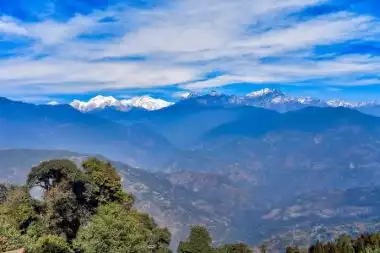
Unlike popular tourist spots such as Gangtok or Pelling, Zuluk hills remain relatively untouched by commercial tourism. Its remote location, near the Indo-China border, gives it a sense of raw wilderness that modern travelers crave. With only a few homestays scattered across its slopes, Zuluk offers an authentic glimpse into Himalayan village life. Wake up to mist rolling over the hills. Listen to the sound of yaks in the distance. Above all, witness the sight of the mighty Kanchenjunga shining in the early light.
3. The Legendary Zigzag Road
One of the highlights of visiting Zuluk hills is its zigzag road, often called the “Bhulbhulaiya of Sikkim”. This mesmerizing stretch of 32 sharp hairpin bends is an engineering marvel that snakes its way up to Thambi Viewpoint. Driving along it feels like riding through a staircase of clouds - thrilling, scenic, and unforgettable. The road not only challenges drivers but rewards travelers with jaw-dropping views at every turn. That seems stunning especially during sunrise when the Kanchenjunga range glows in golden hues.
4. Thambi Viewpoint: A Panorama Beyond Words
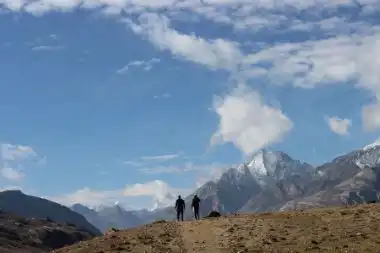
No trip to Zuluk hills is complete without visiting Thambi Viewpoint. That is located about 11200 feet above sea level. From here, the view of the Kanchenjunga range is nothing short of divine. The early morning light paints the peaks in shades of orange and pink. While the zigzag road below creates a mesmerizing geometric pattern on the hills. On clear days, you can even catch glimpses of the snow-covered passes leading toward Tibet. For photographers and nature lovers, this spot feels like standing on the edge of the world.
5. Nag Temple: A Sacred Stop Along the Route
Amid the adventure, spirituality also finds its place in Zuluk. The Nag Temple, dedicated to the serpent deity, is a unique attraction along the Old Silk Route. The temple's cave-like structure and mythological significance make it a must-visit stop. Locals believe the deity protects travelers and brings them good fortune during their journey through the mountains. Whether you're spiritual or not, the calm energy of this temple adds a soulful touch to the adventure.
6. A Paradise for Birdwatchers and Wildlife Enthusiasts
Zuluk lies in the Pangolakha Wildlife Sanctuary, a biodiversity hotspot that shelters countless species of flora and fauna. The surrounding forests are home to red pandas, Himalayan monals, pheasants, and even elusive leopards. During spring and summer, the region blooms with rhododendrons and wildflowers, turning the hills into a colorful carpet. For birdwatchers, early mornings are pure magic. That brings the forests echoing with chirps and songs from species found nowhere else in India.
7. The Magic of Seasons in Zuluk
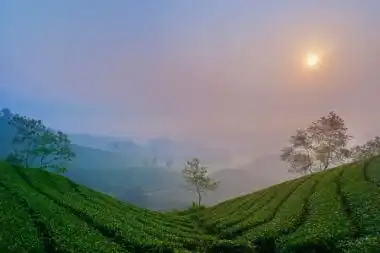
Each season paints Zuluk hills with a different palette. Winter wraps the landscape in snow. That transforms it into a white wonderland perfect for snow lovers. Spring brings vibrant blooms and mild weather, making it ideal for treks and photography. Summer reveals clear skies and lush greenery, while the monsoon drapes the hills in a misty, romantic aura. No matter when you visit, Zuluk's beauty never fails to captivate - it simply changes its form with time.
8. Local Culture and Warm Hospitality
What makes Zuluk truly special isn't just its landscapes but its people. The small community here, mostly of Nepali and Bhutia origin, welcomes travelers with open arms. Staying in a local homestay offers an intimate experience. That goes from sipping butter tea beside a warm fire to listening to stories of traders who once passed through these mountains. The food, too, reflects Sikkim's diverse culture. It features hearty stews, momos, and thukpa served with local warmth.
9. Adventure Activities Around Zuluk
Adventure seekers find plenty of thrills around Zuluk. The nearby Kupup Lake (also called Elephant Lake) offers surreal reflections of the sky. While the drive toward Gnathang Valley takes you through frozen lakes and snow-covered paths. Trekking routes from Zuluk lead to hidden viewpoints and forest trails filled with Himalayan flora. Off-roading enthusiasts can test their skills along the steep, winding routes - every bend here is a test of both courage and endurance.
10. Essential Travel Tips for Visiting Zuluk
Traveling to Zuluk requires some preparation. Since it's part of a restricted area close to the Indo-China border, you'll need a special Inner Line Permit (ILP), which can be arranged through registered tour operators or local authorities at Rongli. The best time to visit is between March and May or October and December, when the weather remains clear. Pack warm clothes regardless of the season - temperatures can drop suddenly. Also, keep essential medicines, as medical facilities are limited.
11. Getting to Zuluk: The Journey is the Adventure
Reaching Zuluk itself is part of the thrill. The nearest airport is in Bagdogra, and the closest railway station is New Jalpaiguri (NJP). From there, you can drive via Rongli, covering around 90 kilometers of scenic mountain terrain. The road passes through forests, tiny hamlets, and waterfalls, slowly unveiling the serene charm of East Sikkim. While the journey might be slow, every mile offers views that make it worthwhile.
12. Why Zuluk Should Be on Your Sikkim Itinerary
In a world where popular destinations often feel crowded and commercial, Zuluk hills stand out as a place of pure adventure and untouched beauty. It's where you can stand above the clouds and feel the history of the Silk Route beneath your feet. Meanwhile, lose yourself in nature's raw embrace. Whether you're a thrill-seeker, a photographer, or a soul in search of peace. Zuluk offers something rare - a genuine Himalayan experience away from the noise of modern life.
Conclusion: The Hidden Heart of Sikkim
Zuluk isn't just another hill station - it's a reminder of Sikkim's unspoiled charm. That is visible from its serpentine roads and panoramic viewpoints to its peaceful homestays and welcoming locals. Zuluk captures the spirit of adventure and tranquility. As you wind your way up those misty roads, you realize that the real magic of Zuluk hills lies not just in reaching the top but in the journey itself. It is the one filled with stories, landscapes, and memories that stay with you long after you've left.