Ravangla hills: Explore the Natural Beauty of Sikkim
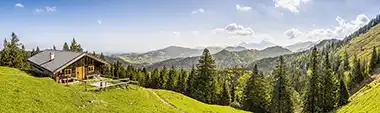
Nestled between Gangtok and Pelling, Ravangla hills in South Sikkim offer a peaceful escape surrounded by the towering Himalayas. This small yet spectacular town sits at an altitude of around 7000 feet. It provides panoramic views of Kanchenjunga, lush forests, and blooming valleys. Ideal for nature lovers, photographers, and spiritual seekers, Ravangla perfectly blends scenic beauty with cultural depth. Let's explore why this serene gem has become one of the most loved destinations in Sikkim.
The Charm of Ravangla Hills
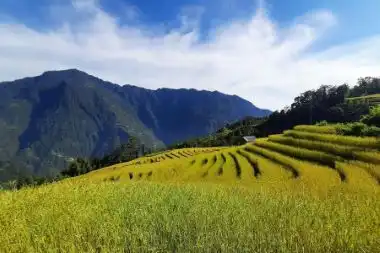
Ravangla is often called the “Silent Valley of Sikkim”. There, misty mornings, chirping birds, and rolling green meadows define every moment. The charm lies in its untouched simplicity-less commercial than Gangtok, yet equally breathtaking. The Pelling town town serves as a gateway to several iconic monasteries, tea gardens, and viewpoints. That make it a must-visit for travelers looking for both tranquility and adventure.
Breathtaking Himalayan Views
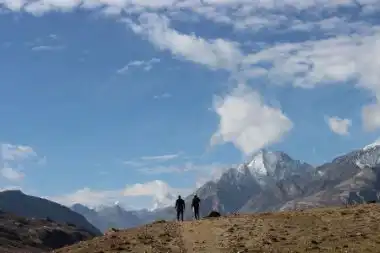
One of the main attractions of Ravangla hills is the mesmerizing view of the Himalayan range. On a clear day, you can see Mt. Kanchenjunga, Mt. Pandim, and Mt. Siniolchu painting the skyline. The early mornings and evenings offer the best light for photography, as golden hues bathe the peaks in an ethereal glow. The Tathagata Tsal (Buddha Park) provides one of the best vantage points for panoramic mountain vistas.
The Peaceful Aura of Buddha Park
Buddha Park, or Tathagata Tsal, is the spiritual heart of Ravangla. Dominated by a 130-foot-tall statue of Lord Buddha, the park exudes serenity and peace. The surrounding gardens, water fountains, and meditation halls invite visitors to slow down and reflect. The park was built to commemorate the 2550th birth anniversary of Gautama Buddha and has become a symbol of Sikkim's Buddhist heritage. It's an ideal spot to soak in both natural beauty and spiritual calm.
Ralang Monastery: A Spiritual Gem
Just a short drive from the main town lies the Ralang Monastery, one of Sikkim's most sacred Buddhist sites. Built in traditional Tibetan architecture, it houses exquisite murals, prayer wheels, and relics. The monastery is home to monks from the Kagyu sect and comes alive during the annual Pang Lhabsol festival. Visiting this monastery offers a glimpse into Sikkim's deep-rooted Buddhist traditions and peaceful way of life.
Temi Tea Garden: Sikkim's Tea Paradise
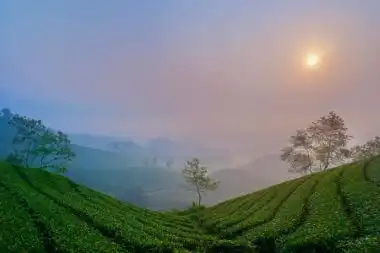
The Temi Tea Garden, is located a short distance from Ravangla. It is the only tea estate in Sikkim and one of the finest in India. Established in 1969, it's known for producing premium organic tea exported across the world. A walk through the tea gardens, surrounded by cherry trees and misty hills, feels like stepping into a postcard. Visitors can also taste freshly brewed tea and buy authentic Temi Tea as a souvenir of their trip.
Birdwatcher's Heaven
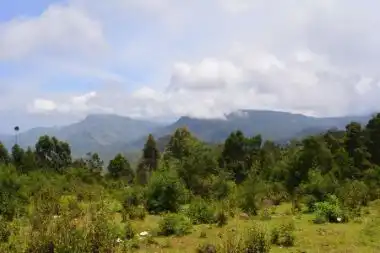
For bird lovers, Ravangla hills is a paradise. Its forests and meadows are home to species like the verditer flycatcher, scarlet minivet, and Himalayan bulbul. The Maenam Wildlife Sanctuary, just above Ravangla, is one of the best spots for birdwatching and short treks. The sanctuary's trails wind through dense forests filled with rhododendrons, oaks, and magnolias. That create a peaceful retreat for both trekkers and nature photographers.
The Maenam Hill Trek
Adventure seekers will find the Maenam Hill trek an unforgettable experience. Starting from Ravangla, the trail winds upward through thick forests to an elevation of about 10600 feet. The trek offers breathtaking views of the Teesta River valley and distant snow-clad mountains. At the top lies the Maenam Gompa, a small monastery perched on the ridge. The sense of peace and the panoramic view from here are worth every step.
Cultural Encounters and Local Life
The warmth of Sikkimese hospitality is one of Ravangla's hidden treasures. The town is home to a mix of Bhutia, Lepcha, and Nepali communities, each contributing to the region's colorful traditions. Visitors can attend local fairs, taste authentic Sikkimese dishes like thukpa and momos, and experience traditional music and dance. Staying in a homestay allows travelers to connect more deeply with the local culture and lifestyle.
Nearby Attractions Worth Visiting
Ravangla's central location makes it easy to explore nearby destinations like Namchi, Pelling, and Borong. Namchi's famous Char Dham and Samdruptse Hill are just an hour's drive away. Borong, on the other hand, is a peaceful village known for its hot springs and birdlife. Pelling, with its ancient monasteries and adventure sports, makes an excellent addition to your itinerary. These short excursions enhance the Ravangla experience, blending spirituality, adventure, and scenic beauty.
Best Time to Visit Ravangla Hills
The best time to visit Ravangla hills is between March and June or September and November. During these months, the weather remains pleasant, skies are clear, and the flowers are in full bloom. Winter brings chilly winds but offers surreal views of snow-covered peaks. While the monsoon season turns the landscape lush and green - though travel can be tricky due to rains.
Why Ravangla Hills Should Be on Your Sikkim Itinerary
Ravangla offers a refreshing mix of peace, spirituality, and natural splendor. Whether it's meditating in Buddha Park, trekking through Maenam Hill, or sipping tea at Temi, every moment here feels rejuvenating. Unlike the busier tourist hubs, Ravangla retains its rustic charm. It is a place where time seems to slow down, and every view feels like a painting.
Conclusion
Ravangla hills are more than just a scenic stop in Sikkim - they're a soulful experience. That goes from mist-clad valleys and peaceful monasteries to warm hospitality and panoramic Himalayan views. This destination captures the essence of Sikkim's beauty. Whether you're seeking adventure or tranquility, Ravangla offers the perfect balance of both. On your next trip to Sikkim, make sure this quiet hill town finds its way to your itinerary - you'll return with memories that linger long after you've left.
Google Map