Kalimpong hills: Explore the Serene hills of West Bengal
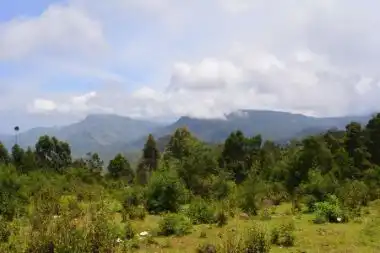
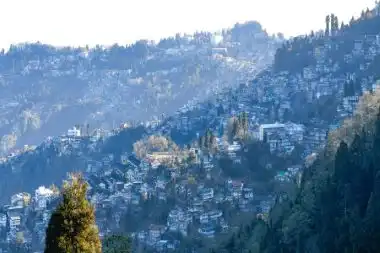
Perched at an altitude of around 4100 feet, the Kalimpong hills are nestled in West Bengal. They welcome travelers with rolling valleys, fluttering prayer flags, and a rhythm of life that feels almost timeless. Once a bustling trade link between India and Tibet, Kalimpong now thrives as a peaceful hill town. It further offers a harmonious blend of history, nature, and culture. With its crisp mountain air, cheerful locals, and breathtaking Himalayan views, Kalimpong feels like a soft whisper of the past wrapped in the serenity of the present.
1. The Timeless Allure of Kalimpong
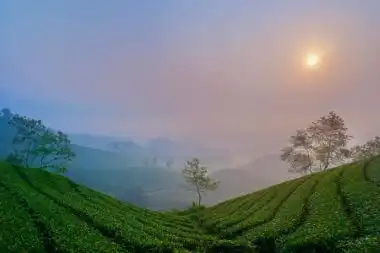
Unlike its more famous neighbor Darjeeling, Kalimpong unfolds gently-less crowded, more meditative, and infinitely charming. The town stretches across a ridge. That firstly offers sweeping views of the Teesta River Valley below and the mighty Kanchenjunga range in the distance. As dawn breaks, the golden sunlight seeps through Darjeeling hill station pine forests and tea gardens. On the other hand, prayer bells echo softly from distant monasteries. There's something profoundly calming about Kalimpong. It's the kind of calm that makes you want to linger just a little longer.
Visitors exploring Kalimpong hills often find themselves slowing down here. They can sip hot tea on a misty veranda or watch the clouds drift lazily across the horizon. Kalimpong is not only a place you rush through; but its also a place you feel.
2. Best Time to Visit Kalimpong Hills
Every season in Kalimpong hills has its own character. Spring (March-May) paints the hills in vibrant colors as orchids, rhododendrons, and gladioli bloom across the slopes. The air is fresh, and the skies are clear-ideal for sightseeing and photography.
Monsoon (June to September) transforms Kalimpong into a misty wonderland. The rain-washed roads, foggy hills, and the scent of wet earth make it romantic and magical. During that, the enchanting valleys and meadows of Kalimpong come to life. However, landslides can occasionally disrupt travel.
Winter (October to February) is crisp, cold, and beautiful. It meanwhile offers crystal-clear Himalayan views and cozy evenings by the fireplace. It's the perfect time for honeymooners and peace seekers to embrace the quiet charm of the mountains.
3. How to Reach Kalimpong
Kalimpong is easily accessible by air, rail, or road. The nearest airport is Bagdogra (IXB), approximately 75 kilometers away. On the other hand, New Jalpaiguri (NJP) serves as the closest major railway station. From either point, you can hire a shared jeep or taxi. So that, you can further reach Kalimpong in about three hours.
Above all, the journey itself is mesmerizing. As you ascend from the plains, the landscape shifts from tropical greenery to alpine forests. The Teesta River flows alongside, shimmering like a silver ribbon. Further, the drive passes through quaint tea gardens, roadside cafes, and viewpoints where you can pause to soak in the panorama. It's a drive that reminds you: the road to Kalimpong is as beautiful as the destination itself.
4. Must-Visit Attractions in Kalimpong Hills
Kalimpong further offers an array of attractions that blend spirituality, nature, and heritage.
Deolo Hill
The highest point in Kalimpong hills is Deolo Hill. That offers a 360-degree view of the surrounding valleys and the Teesta River. Paragliding from here meanwhile gives a thrilling bird's-eye view of the town.
Durpin Monastery (Zang Dhok Palri Phodang)
Home to rare Buddhist scriptures and breathtaking views of Kanchenjunga, this monastery exudes a sense of serenity. That further calms every soul.
Morgan House
A charming colonial-era mansion is now converted into a guesthouse. That is firstly known for its ivy-covered walls and old-world aura.
Cactus Nursery (Pine View Nursery)
A fascinating attraction that meanwhile houses one of Asia's largest collections of cacti and succulents.
Tharpa Choling Monastery
Another significant Buddhist site that further showcases Kalimpong's deep-rooted spiritual legacy.
These spots offer not only scenic views, but also glimpses into Kalimpong's soul. That lies in its past, its spirituality, and its quiet rhythm of life.
5. The Cultural Essence of Kalimpong
The cultural tapestry of Kalimpong hills is woven with threads of Nepali, Lepcha, Bhutia, and Tibetan heritage. This diversity gives the town a unique charm reflected in its art, architecture, and daily life. However, the local markets brim with handmade woolen goods, bamboo crafts, and handcrafted paper products.
Festivals for example Losar (Tibetan New Year), Dasain, and Diwali are celebrated with equal enthusiasm. That further fills the hills with music, color, and joy. Don't miss visiting the Kalimpong Arts and Crafts Centre. There, you can watch local artisans create intricate works inspired by Himalayan motifs.
The people here live with a quiet dignity. They are warm, polite, and always ready to share stories about their mountains. It's this genuine human connection that further makes Kalimpong unforgettable.
6. Adventures Amid the Hills
The Kalimpong hills are not only about calm-but they also offer plenty for adventure seekers too. Further, the surrounding landscape is ideal for short treks, cycling trails, and river activities.
The Neora Valley National Park trek takes you further through untouched forests rich with biodiversity. It is home to red pandas, Himalayan black bears, and exotic birds. The Lava-Lolaygaon route is another favorite for those who enjoy forested trails and rustic village stays.
For thrill-seekers, paragliding over Deolo Hill and white-water rafting on the Teesta River deliver heart-pounding excitement. No matter that you're gliding through the clouds or navigating the rapids. Kalimpong further proves that peace and adventure can indeed coexist.
7. Spiritual Sojourns in Kalimpong
Kalimpong's tranquil atmosphere makes it an ideal destination for spiritual reflection. The monasteries here are not only architectural marvels. Above all, they are centers of mindfulness.
The Zang Dhok Palri Phodang Monastery, perched on Durpin Hill, holds relics and scriptures. Above all, that are brought from Tibet by the Dalai Lama in the 1950s. The Thongsa Gompa, is one of the oldest monasteries in the region. That meanwhile echoes with ancient chants and wisdom.
Spend a quiet morning in these monasteries and listen to the hum of prayer wheels. Meanwhile, you can watch monks in meditation. It further fills you with peace that stays long after you leave.
8. Nature Walks and Botanical Wonders
Kalimpong is a paradise for nature lovers. The town's elevation and climate make it a hotspot for horticulture. This region produces some of India's finest gladioli, orchids, and anthuriums, many of which are exported worldwide.
Take a stroll through the Flower Market, where local farmers display their blooms in a riot of colors. Visit Kalimpong's Pine View Nursery for its spectacular cactus collection. Further, explore the nearby Pedong and Sillery Gaon trails for a closer connection to nature.
The Neora Valley is a treat for birdwatchers-home to species like the satyr tragopan and crimson sunbird. Every step through its misty forests feels like walking into a living postcard.
9. Colonial Echoes and Heritage Trails
Above all, Kalimpong's colonial past still breathes through its architecture and institutions. Established by British missionaries in 1900, Dr. Graham's Homes is an educational institution. It was built to provide opportunities for underprivileged children. The campus, with its chapel and cottages, is a serene heritage site that further offers stunning valley views.
Morgan House, with its gothic architecture and stories of British planters, adds a mysterious charm to Kalimpong's landscape. A walk through the old town reveals more remnants of British influence. Explore churches, cemeteries, and bungalows that meanwhile whisper tales of another era.
These heritage trails meanwhile remind visitors that Kalimpong isn't just a hill station. It is a living museum of history, faith, and endurance.
10. Local Cuisine and Culinary Pleasures
The cuisine of Kalimpong is simple yet soul-satisfying. Influenced by Tibetan and Nepali traditions, meals here are hearty and flavorful.
Try momos (steamed dumplings), thukpa (noodle soup), and gyathuk for warmth on a chilly day. Street stalls serve Sel roti, a Nepali-style fried bread, alongside sweet churpee, a traditional yak milk cheese. For breakfast, pair your food with a cup of Darjeeling or Kalimpong tea. That is meanwhile known for its fragrant, soothing flavor.
Several cafes across town also offer Himalayan fusion cuisine-combining local ingredients with global flair. Eating in Kalimpong is not only nourishment; but also an experience of culture served on a plate.
11. Where to Stay in Kalimpong
Accommodation options in Kalimpong range from heritage lodges to eco-friendly homestays. The Deolo Hill area offers hotels and resorts with sweeping views of Kanchenjunga. On the other hand, the town center provides convenient access to local markets and eateries.
If you prefer authenticity, stay in a local homestay run by friendly families. You'll enjoy home-cooked meals, garden-fresh produce, and heartwarming hospitality. Many properties here embrace sustainability, using solar energy and promoting eco-tourism initiatives.
Waking up in Kalimpong is a unique experience. Watch the mist curling around your window and listen to the birdsong breaking the silence. Meanwhile, experience the slow hum of mountain life easing you into the day.
12. Excursions Beyond Kalimpong
Kalimpong's charm further extends well beyond the town's boundaries. Day trips to Lava, Lolaygaon, and Rishop reveal untouched landscapes filled with cedar forests and breathtaking viewpoints.
Adventure seekers can firstly explore Neora Valley National Park. It is a biodiverse treasure trove offering treks through dense jungles and hidden waterfalls. Pedong, with its historical forts and monasteries, offers a glimpse into the region's cultural depth.
For a different kind of adventure, head to the Teesta River for rafting. Further, go to the Relli Valley for a peaceful picnic by the water. Each nearby spot adds another layer to the Kalimpong experience-calm, unhurried, and infinitely rich.
Conclusion: The Soulful Whisper of the Himalayas
The Kalimpong hills stand as a poetic escape for those seeking peace in the chaos of modern life. With its balance of history, nature, and spirituality, Kalimpong offers something rare. It offers a rare a sense of belonging in the middle of nowhere. Here, time further slows, hearts lighten, and every view seems to speak in silence.
Meanwhile, watch the sunrise over Kanchenjunga, sip tea on a misty balcony, or listen to monks chant. That can be heard in a distant monastery. Above all, Kalimpong hills feels like a sanctuary for the soul. In its quiet hills, you don't just discover a destination-you discover yourself.